Categories
Formula 1 Lotus McLaren

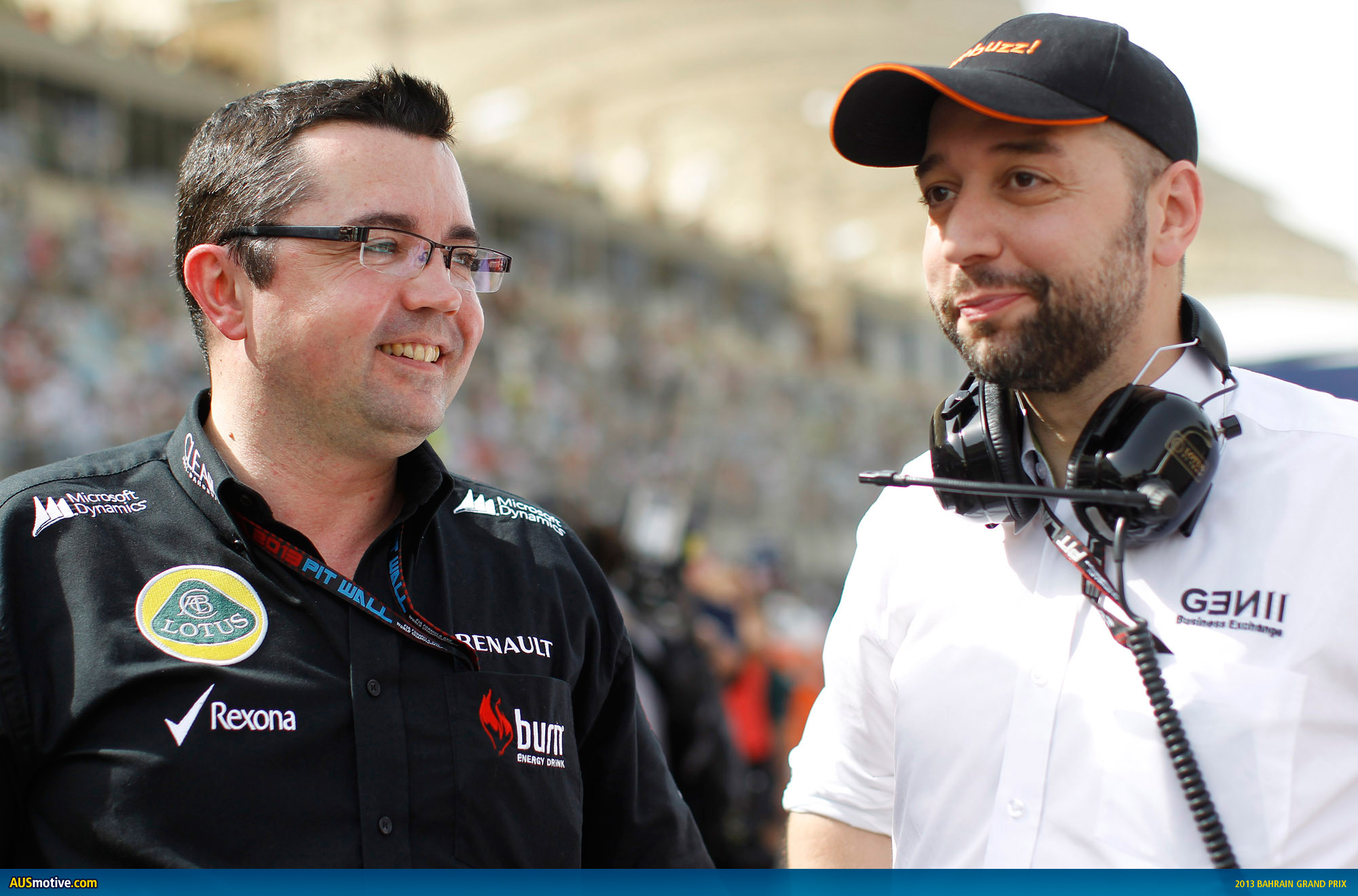
Eric Boullier quits Lotus F1 with immediate effect

2013 Bahrain Grand Prix

In sensational F1 news Eric Boullier has resigned from the Lotus F1 Team and is expected to be named as the McLaren Team Principal, replacing Martin Whitmarsh.

It’s not been confirmed as yet, but it seems apparent Whitmarsh has been sacked by McLaren and he was not present at the team’s launch of its new MP4-29.

Team owner Gerard Lopez will step in to fulfill the Team Principal role for Lotus in the 2014 season, starting immediately. An official team statement from Lotus can be read after the break.

Categories
Formula 1 McLaren

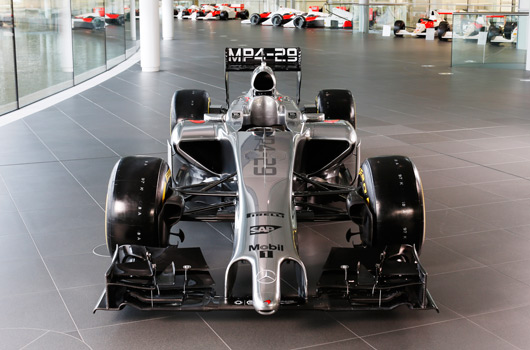
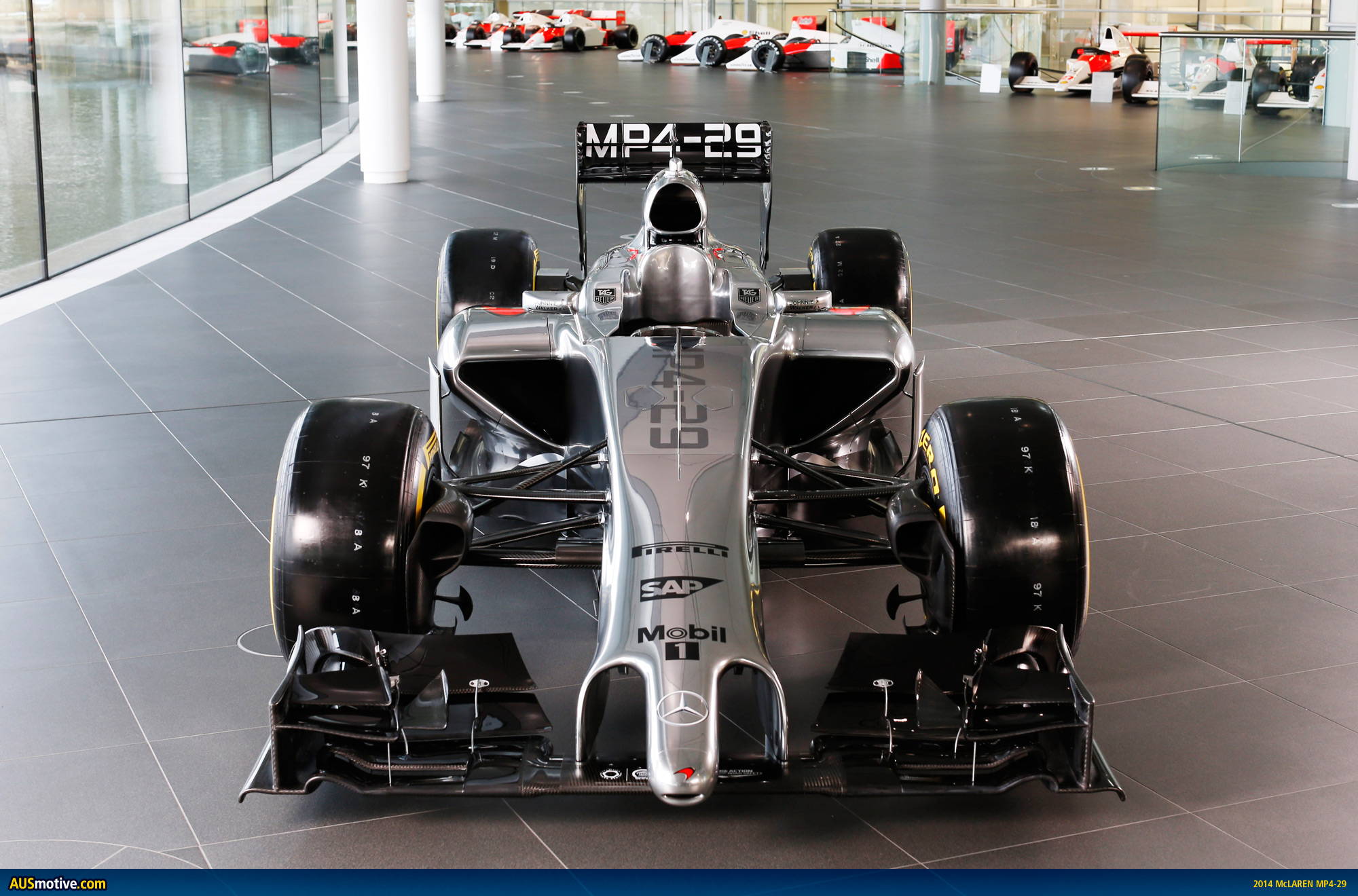
2014 McLaren MP4-29 revealed

2014 McLaren MP4-29

Damn, that nose on the MP4-29 pretty ugly. Let’s hope that’s the worst of what we see in the coming weeks.

A full suite of press material, videos, photos and PDFs showcasing the MP4-29 can be found after the break. But what’s just as interesting in the McLaren material is what is not said.

Firstly, there is not one single mention or explanation of that horrendous nose in any of the official guff below. It’s too late McLaren we have noticed it and it is fugly.

Secondly, the name Martin Whitmarsh is not present at all, which means we can surmise Big Ron has wasted no time and sent Whitmarsh packing and signed off on his P45.

This ties in perfectly with today’s big F1 news that Eric Boullier has resigned from Lotus with immediate effect. It’s expected Boullier will replace Whitmarsh as McLaren’s Team Principal; not Ross Brawn, or Sam Michael as one fanciful rumour suggested this morning.

While there’s no official announcement on Boullier’s arrival just yet, McLaren has confirmed it has signed key staff from the likes of Red Bull and Lotus, including Ciaron Pilbeam formerly race engineer to Mark Webber.

Also, last year we were informed Vodafone would be ending its long-term relationship with McLaren and that the Woking-based team would announce its new title sponsor in December 2013. It stood to reason that a team such as McLaren would already have a new deal in place and it would just be a matter of time before we found out who it would be.

Then we were told the sponsorship announcement would be put off to coincide with the launch of the MP4-29 to maximise the exposure for said new sponsor. That made perfect sense, too. But last week the word from McLaren was there would be no title sponsor announcement in the short-term future but they’ve still got heaps of cash anyway so no need to panic.

And yet, with all of these dramatic changes taking place at McLaren you get the sense that panic stations are indeed the order of the day. No wonder Ron Dennis is back in the building.
Categories
Formula 1

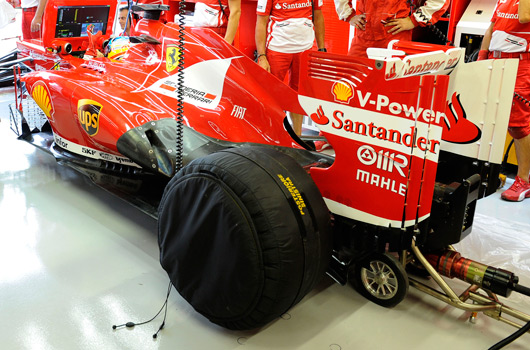
FIA WMSC bans tyre blankets from 2015 and more

2013 Singapore Grand Prix

The FIA World Motor Sport Council met overnight, along with Bernie Ecclestone and the F1 Strategy Group. The outcome of that shindig is a series of changes for both the 2014 and 2015 F1 seasons.

For 2014:

  • The Stewards may now impose a five second time penalty which can be taken before work is carried out on the car in a pit stop
  • Team personnel must also wear helmets during qualifying, as well as the race
  • Drivers may not stop on the slowing down lap to save fuel for sampling and subsequent analysis; this will not be considered justifiable reason for stopping
  • For 2014 only, each team will be allowed six curfew ‘jokers’, previously there were two permitted. This is to allow more flexibility for working on the new engines and cars
  • The weight of the car, without fuel, must not be less than 691kg at all times during the Event. The weight limit has increased by 1kg to take into account the difference in weight between the tyres in 2013 and 2014

For 2015:

  • To be considered as a constructor, teams will now not need to design and manufacture suspension and brake ducts
  • The car minimum weight has been increased by 10kg, to 701kg, for 2015
  • All tyre heating devices will be prohibited in 2015
  • For safety reasons, the front part of the chassis will not be able to climb too steeply rearward of the front of the chassis

There’s nothing too radical in the amendments to the 2014 regs, although the banning of drivers stopping on the cool down lap to preserve fuel for sampling purposes will place further demands on teams who have to make do with just 100kg of fuel in 2014, compared with 160kg last year.

The changes for 2015 are a little more significant, especially the freedom for teams to buy off-the-shelf suspension components and brake ducts. A ban on tyre blankets will at least tell us once and for all how effective they really are.

In addition to these approved changes a draft set of “cost reduction and cost control regulations” will be presented to the WMSC in June with a view to having effect for the 2015 season.

[Pic: Ferrari]

Categories
Toyota WEC

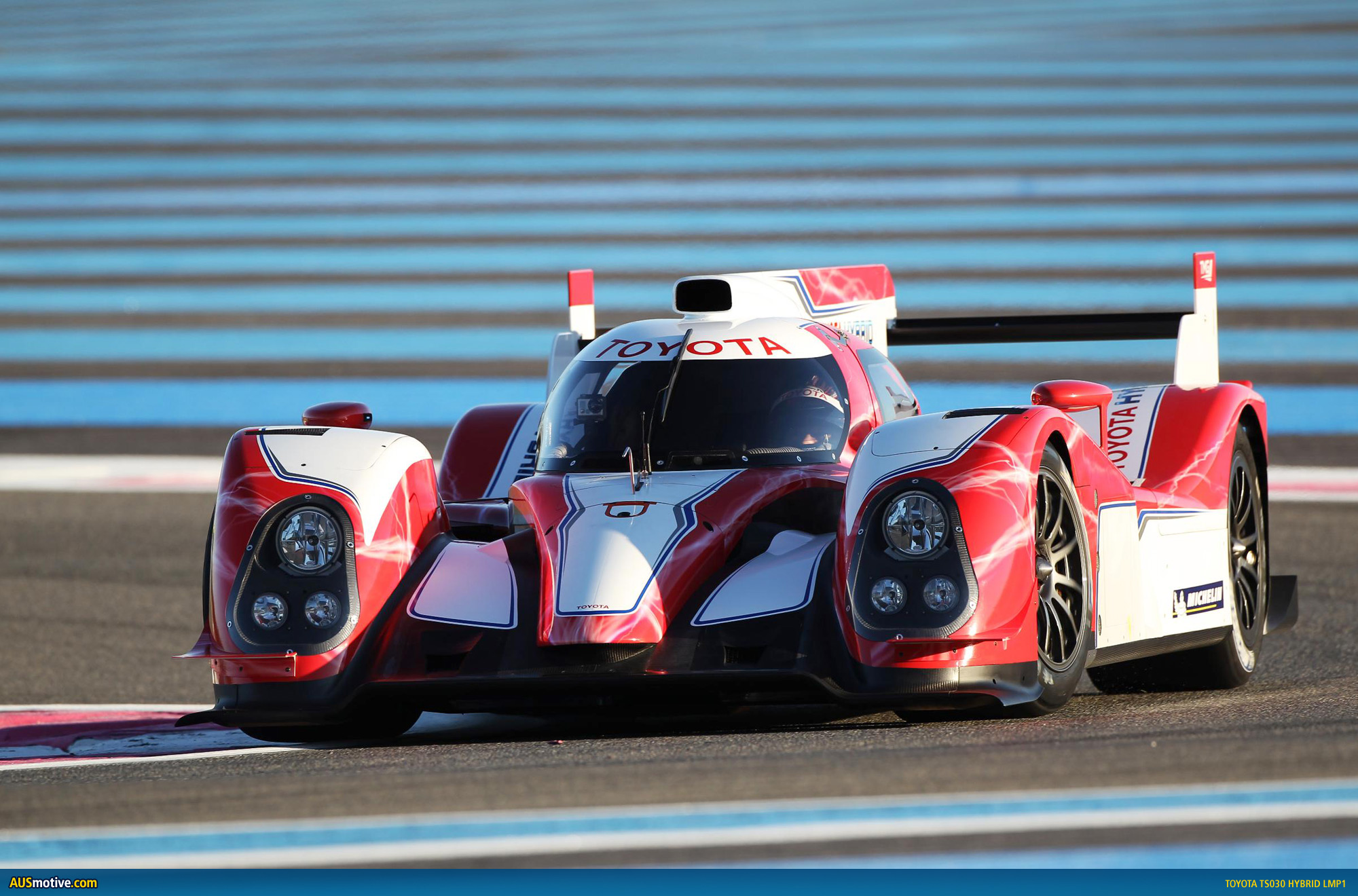
Toyota TS040 Hybrid LMP1 begins testing

Toyota TS030 Hybrid LMP1

Testing for Toyota’s successor to the TS030 Hybrid (pictured above) has begun with the new TS040 Hybrid taking to the Paul Ricard circuit in France earlier this week. Three days of testing were completed in all with Alexander Wurz and Anthony Davidson sharing the driving duties.

According to an unnamed Toyota Motorsport GmbH staffer, “It was the best roll-out we have had since we returned to endurance racing in 2012.”

The TS040 uses a normally aspirated V8 engine coupled to front and rear axle mounted energy recuperation systems. Further closed test sessions are scheduled at the Portimão and Aragon circuits before the TS040 makes its full debut ahead of the official WEC test session in March.

[Source: Autosport]

Categories
BMW Toyota

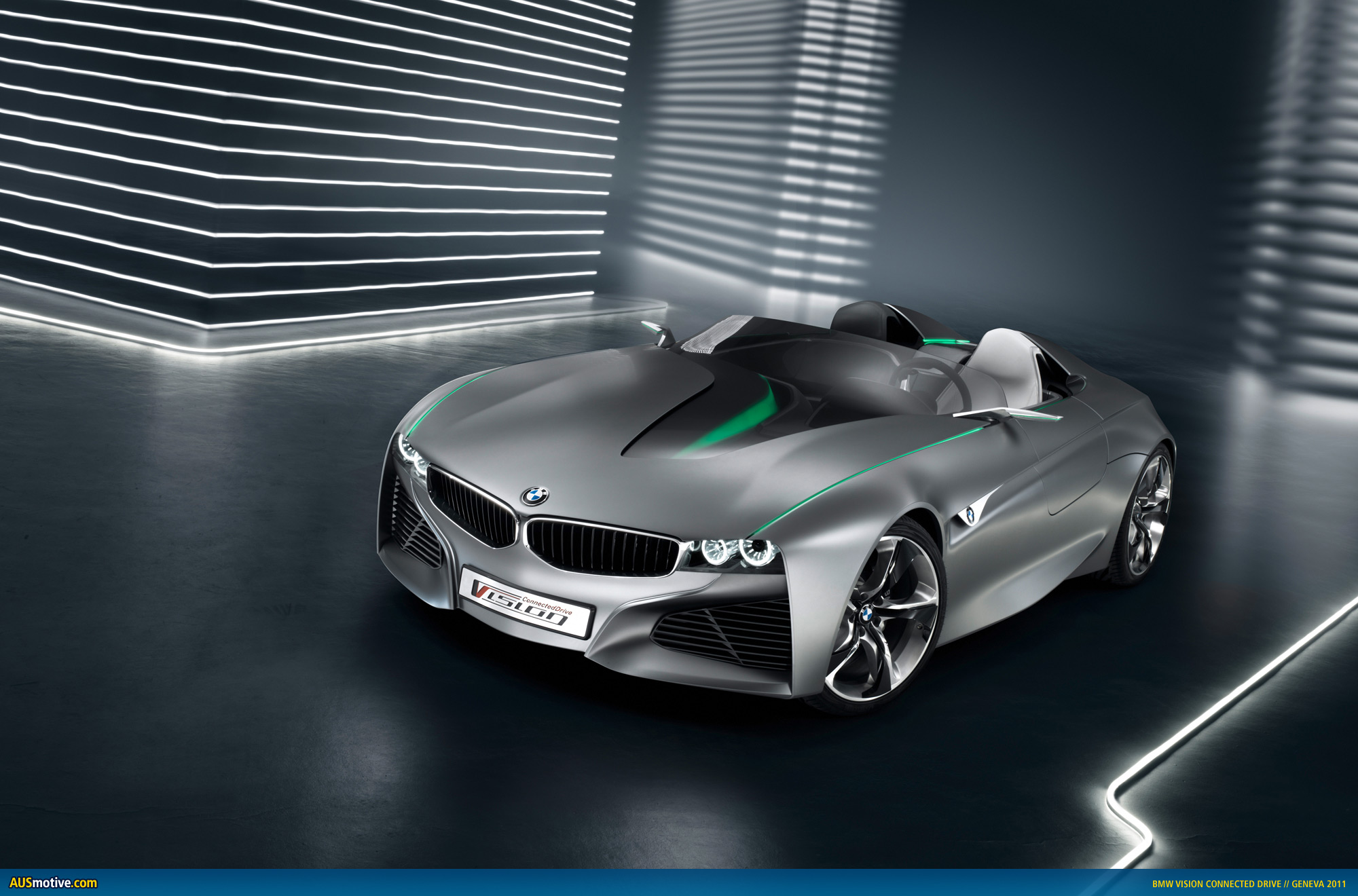
Carbon fibre tub for the return of the BMW Z3

BMW Vision ConnectedDrive

The next BMW Z4 will actually see a return of the Z3 badge, an odd move given BMW’s recent nomenclature, and will be inspired by the look of the very sexy Vision ConnectedDrive concept car.

It will also be the first model developed under the BMW-Toyota partnership. Toyota’s first model under the co-development will be a hardtop coupé, although roadster and hardtop models will feature for both brands in time.

The Z3 will employ a folding soft-top with a view to saving weight. Increased use of aluminium and carbon fibre, including a carbon fibre tub, will be used to help keep weight down as well.

BMW will fit a range of four and six cylinder engines to the Z3 and there is a chance of M-badged models too.

The use of a carbon fibre tub is significant because BMW expects the Z3 to undercut the price of the Alfa Romeo 4C, which is currently one of the cheapest ways to get yourself into such an exotic chassis construction.

If you like the sound of all this don’t get too excited because the all-new Z3 is still a couple of years away yet.

[Source: Bimmerpost]

Categories
Audi Volkswagen

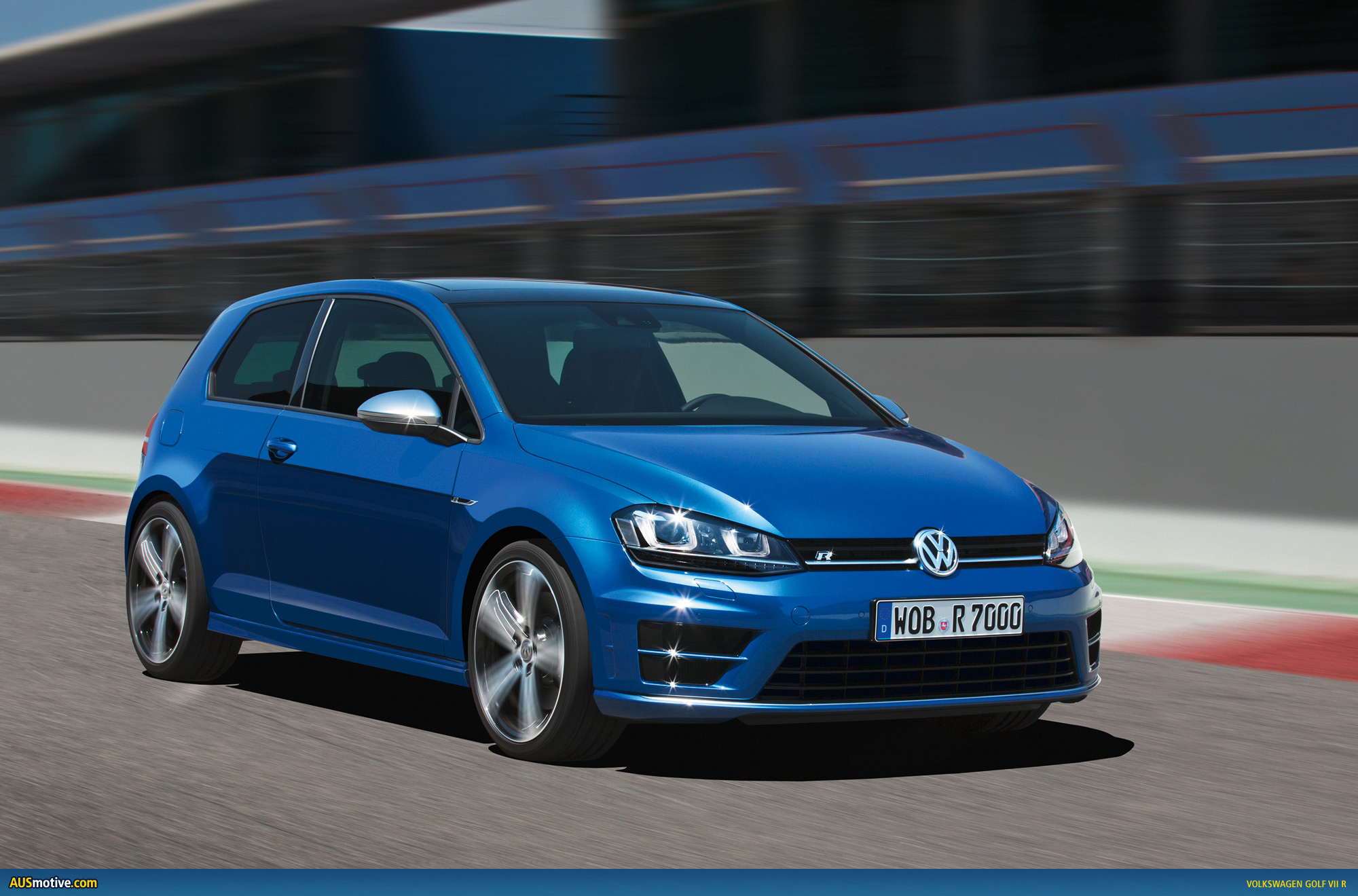
Volkswagen to make 283kW Golf R Evo

Volkswagen Mk7 Golf R

Volkswagen’s assault on the upper end of the hot hatch segment has become clearer after word Wolfsburg is planning a more powerful and lighter Golf R model, expected to carry the model designation “Evo”.

The current EA888 2.0 litre engine will be developed and modified with a new cylinder head and induction system to produce at least 283kW. The Golf R Evo will be available exclusively with a 6-speed DSG transmission and Haldex all-wheel drive system. It has a target weight of sub-1400kg.

We can also expect Audi to jump on this bandwagon, too, in the guise of an S3 Plus model featuring the same drivetrain.

This news has emerged from several sources who were at the Detroit Auto Show and spoke to VW’s Franz Eichler, the man poached from Mercedes who oversaw development of the 265kW 2.0 litre four-pot found in the A45 AMG.

[Source: Autocar]

Categories
Porsche WEC

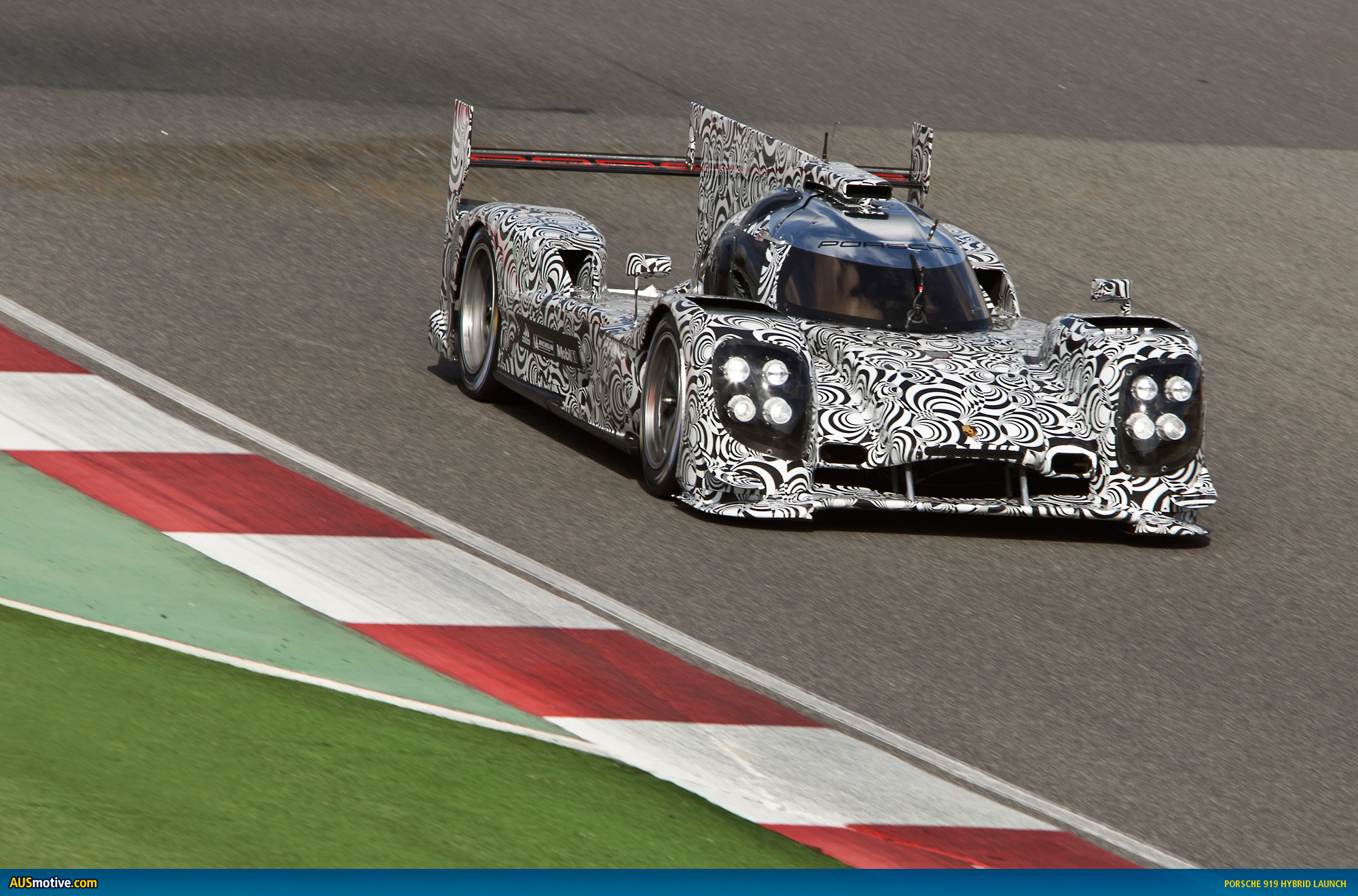
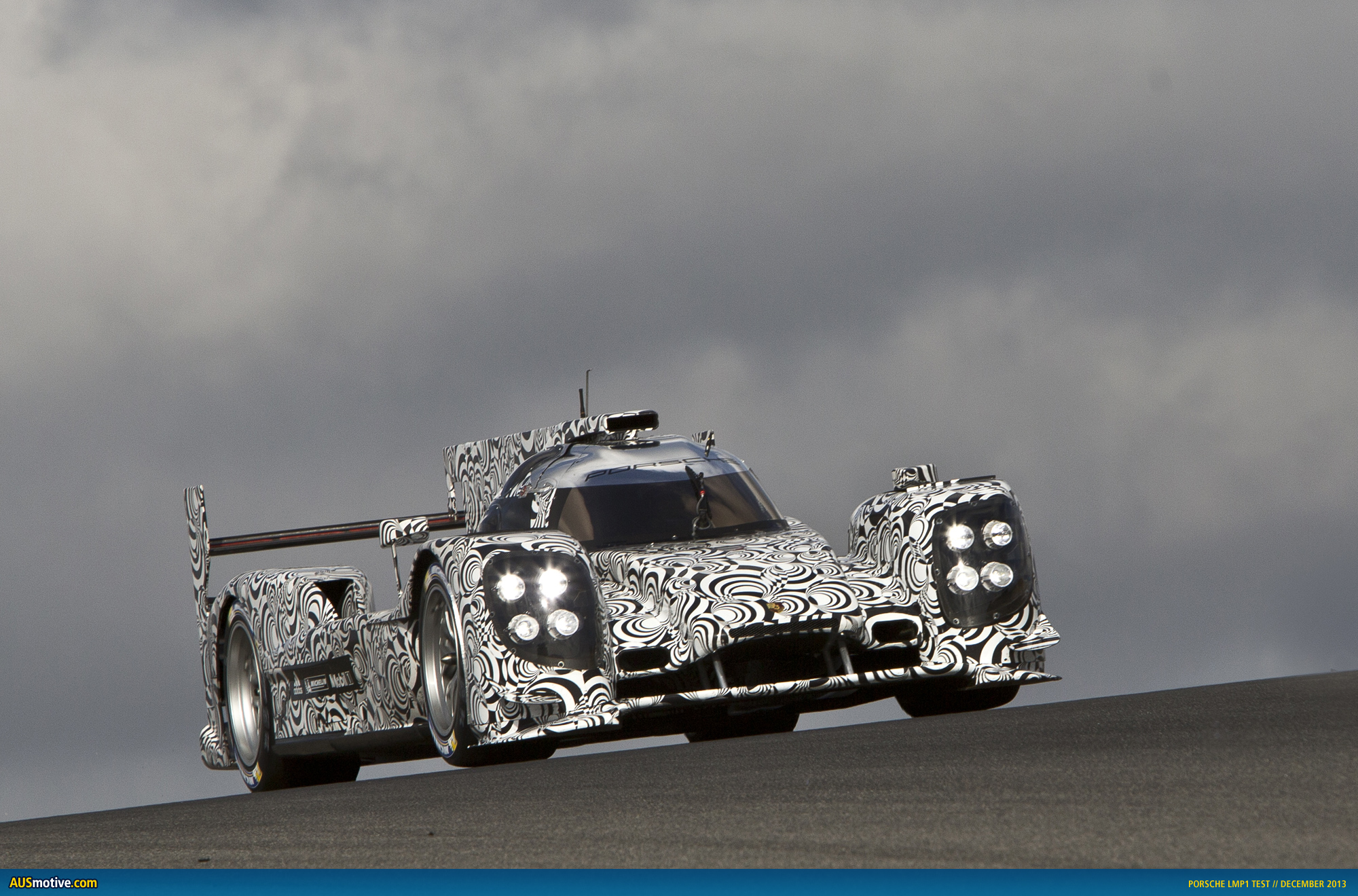
Porsche 919 hybrid to use 2.0 litre V4

Porsche 919 hybrid event

The Porsche 919 hybrid will use a 16 valve 2.0 litre turbocharged V4 engine, according to Autocar.

V4 engines have inherent balance issues so at first this may seem an odd choice for Porsche. However, a quick glance at the history books shows Porsche has raced at Le Mans with flat-four engines at Le Mans in the 1950s. The spec sheet on these engines described them as have a 180° vee, and perhaps that may be the direction Porsche is taking in 2014.

A 2.0 litre four cylinder engine should help Porsche achieve good fuel economy, which is vital in the new LMP1 regulations. A single conventional turbo will be placed between the two cylinder banks.

We’ve known for some time that Porsche is developing a four cylinder boxer for its road cars and you don’t need to stretch the imagination too far to see some marketing and research opportunities with this V4 race engine.

The regs also allow for a maximum of two energy recuperation systems and Porsche will send the power from both to the front wheels of the 919, while the V4 will power the rear wheels.

The two recuperation systems will be called KERS and ERS, with the former charging a lithium-ion battery via the front brakes and the ERS collecting energy from the turbo’s exhaust gasses.

A third 919 chassis is being built and is expected to have its track debut in the middle of next month when Porsche returns to Bahrain for more testing.

[Source: Autocar]

Categories
Formula 1

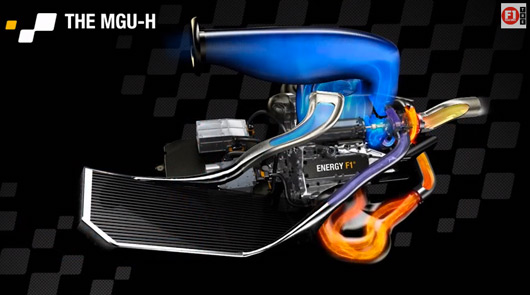
VIDEO: A guide to 2014 F1 power units

A guide to 2014 F1 power units with Craig Scarborough

It’s great to see Craig Scarborough pimping himself around the place spreading the word of F1. This time he’s teamed up with Peter Windsor’s The Racer’s Edge to take us through the inner workings of the 2014 power units.

To you and me that’s a 1.6 litre turbocharged V6 and some electric bits, but after you watch this video you’ll be much better informed!

Categories
Porsche WEC

Webber to race with Bernhard and Hartley

Mark Webber, Timo Bernhard, Brendon Hartley

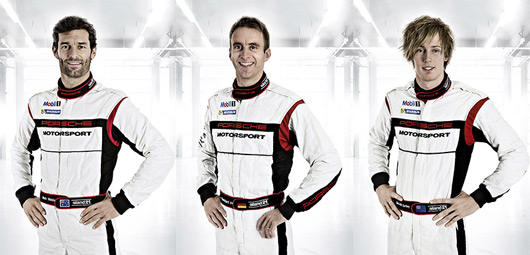
Mark Webber will race with German Timo Bernhard and Kiwi Brendon Hartley in 2014, according to Autosport.

It’s an interesting mix and certainly the pairing of Webber (182cm) and Hartley (184cm) makes sense as both men are relatively tall. Although, Bernhard (172cm) is quite a bit shorter and will require a seat insert you’d imagine.

That leaves Marc Lieb (182cm), Romain Dumas (174cm) and Neel Jani (172cm) to drive the other 919.

Porsche isn’t expected to officially confirm these lineups until the press conference to launch the 2014 WEC season and 24 Hours of Le Mans takes place.

Meanwhile, testing for the 919 hybrid has resumed. Webber, Bernhard and Dumas were in Bahrain last week putting a pair of cars through their paces. One of the cars is brand new, while the other is the 2013 car.

[Soure: Autosport]

UPDATE: Semi-official confirmation of this news from the GT Porsche twitter account can be seen after the break.

Categories
Formula 1 Red Bull Racing

Red Bull Racing gets ready for 2014

Daniel Ricciardo

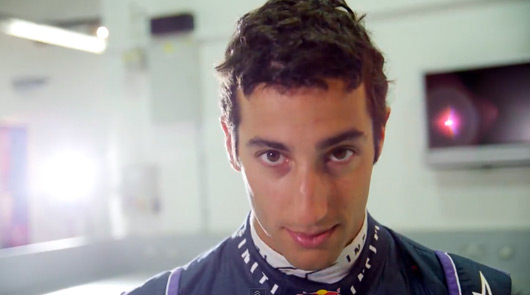
Red Bull Racing is entering its tenth Formula 1 season this year and they’ve previewed what is to come by compiling a highlights package of the last nine years.

Their 2014 challenger, the RB10, will be revealed for the first time on 28 January. Presumably that means moments before the first test gets underway, as has been the case in past years.

Categories
Formula 1

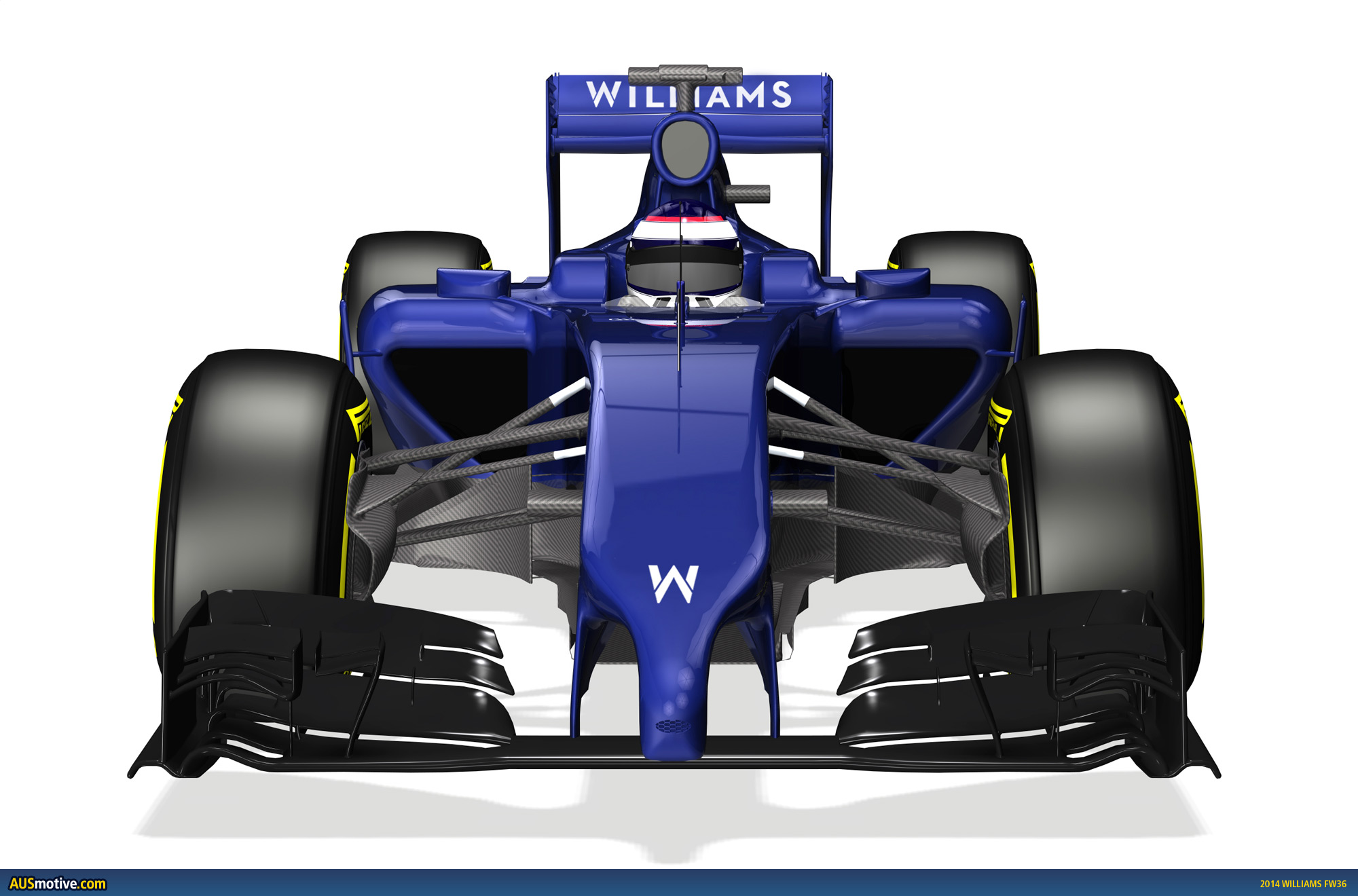
2014 Williams FW36 revealed

2014 Williams FW36

Williams has revealed a series of renderings showing their 2014 F1 car, the FW36. And as you can see we have confirmation of our first finger-style front nose. It looks a bit like an anteater, too.

There’s a couple of firsts for Williams here: it’s the first time the team has worked with a Mercedes-Benz engine power unit and the first time they’ve run an 8-speed gearbox.

Chief Technical Officer, Pat Symonds, explains some of the challenges in designing this car: “There’s a lot more technology on the cars this year. We’ve had turbo-charged engines in F1 before; what’s different this time is that it is much more than just an engine change, it is a completely different system. We’ve gone from a slightly hybridised normally aspirated engine to a fully integrated hybrid power unit with novel technology at its heart.

“Overall the cars will need more cooling this year. The demands on water and oil cooling may be slightly diminished, but the ERS system is significantly more powerful and hence needs more cooling. We also have to cool the charge air from the turbocharger compressor which requires a substantial intercooler.”

Williams has given a rough timeline for the design of the new car, which we’ve listed in dotpoint form below:

  • CAD data for 2014 power unit received from Mercedes mid-way through last season
  • FW36 design phase completed by mid-September 2013
  • New gearbox run on dyno in early-November 2013
  • Launch spec aero packaged finalised in early-December 2013
  • Transmission mated to power unit on dyno in December 2013
  • FW36 crash test passed before Christmas 2013
  • Melbourne-spec aero package approved in early-January 2014

UPDATE 29 January: Williams has tweeted a pic of the car from the team’s pit garage at Jerez (see below).

Categories
Porsche WEC

Mark Webber previews his 2014 season

Porsche LMP1 test with Mark Webber

The beginning of 2014 is unfamiliar for Mark Webber in that he’s still got a few weeks left of being able to slam down a few Tim Tams before he needs to be at his racing weight. He explains that and more in Q&A interview on his official website:

Your new season with Porsche will start soon. In F1 the focus of your training was on the neck strength and being as light as possible, how does your training change for the sports car series?
MW: “This is my first season for probably five or six years when I haven’t needed to be on weight by February! Even though we will be doing some pre-season testing with Porsche, the preparation for F1 was different; I had to be on weight right from the start of pre-season testing and my weight control had to be extremely disciplined.

“But, don’t think for one moment I’m going to be overweight in sports cars! I’ll be back at my F1 weight for the start of the championship in April but the WEC season is much shorter with only eight races, so I don’t need to be in that tight weight window for as long as I was in F1. My training regime has changed a bit too; you do quite a lot of specific training for F1; for example, neck training to deal with the high G-forces whereas in sports cars because the lap times are a bit slower, I won’t quite have the load on the body that I used to. Of course, there are lots of things from my training in F1 which are completely adaptable in sports cars, i.e. heat control in hot environments as was the case at some races in Formula One so there are a lot of things I learnt in F1 which I will carry across.”

Follow the source link for the full interview.

[Source: markwebber.com]