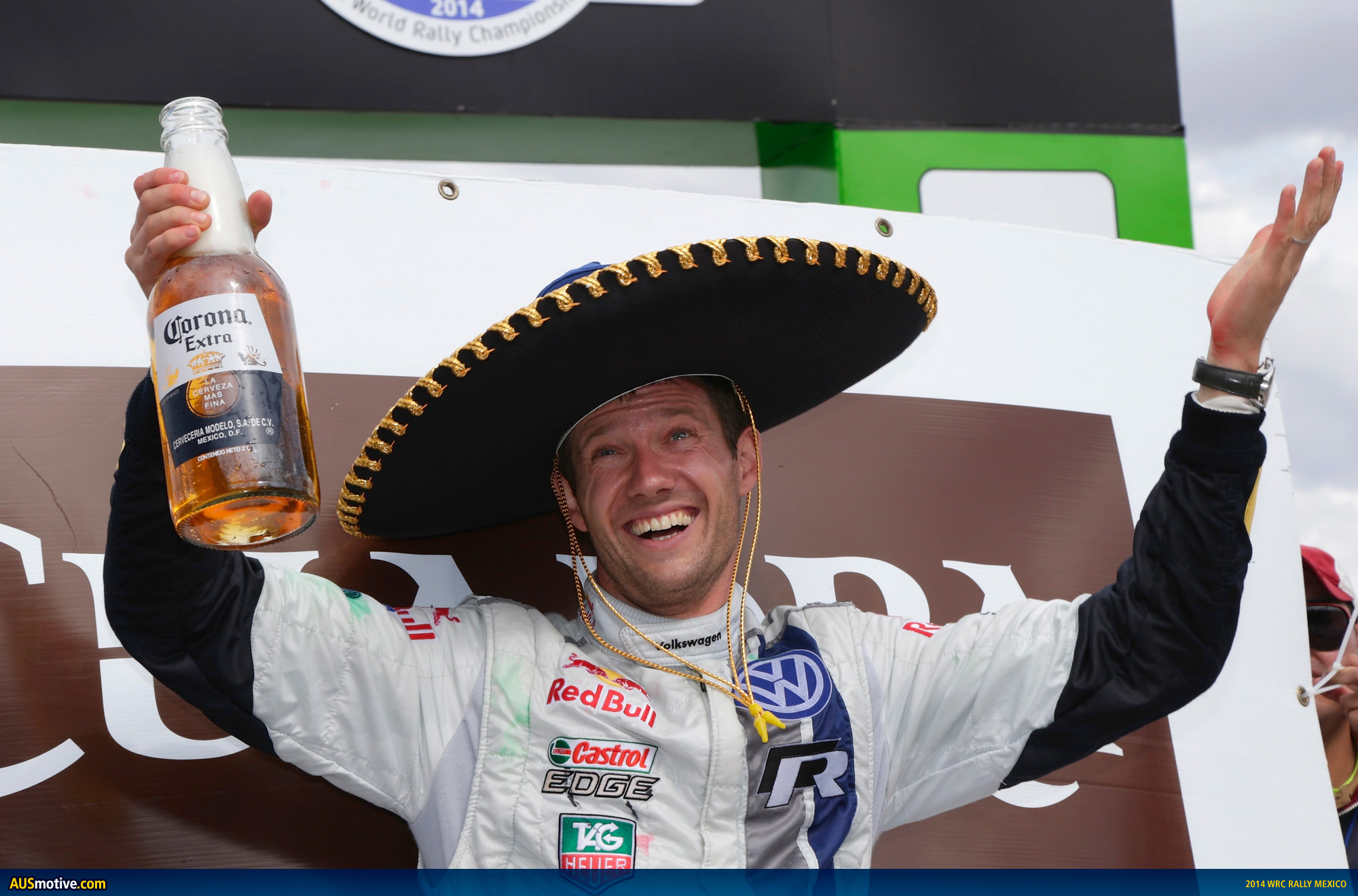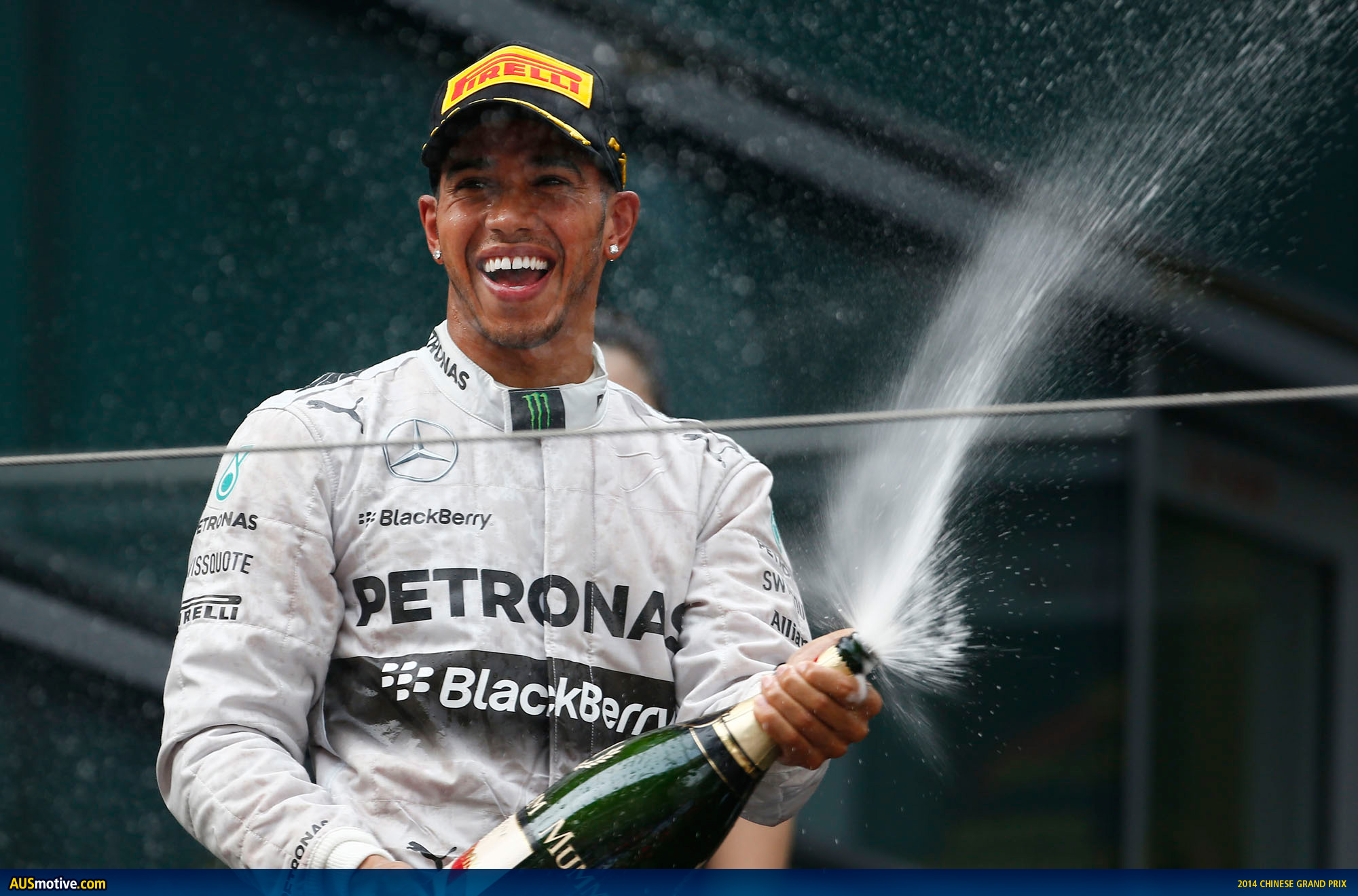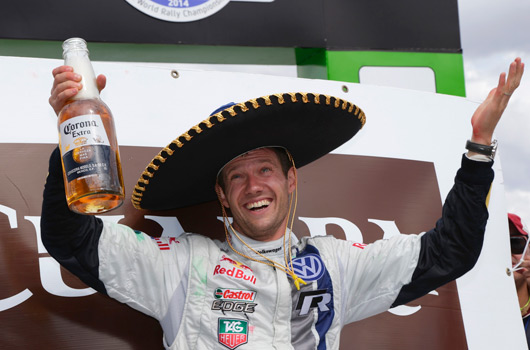
The WRC could look even sillier than a race winner standing on a podium wearing a tacky sombrero with a bottle full of radiator piss in his hand if its latest plan to decide a rally winner comes to fruition.
A typical WRC event has somewhere between 15 and 25 special stages run over three days. To be the winner you have to perform consistently across the entire event. It’s a great test of man and machine and one of the great things that sets top line rallying apart from circuit racing.
However, under a proposed plan to try and increase television ratings, future WRC events could amount to two-and-a-half days of qualifying before a final special stage where the top 10 fight it out for the win. Thankfully, it’s not quite as bad as it sounds.
The final shootout would amount to five individual races for position, so first and second would race each other, then third against fourth and so on. The risk is the rally leader going into the shootout could make a minor mistake and lose his position, finishing the event in second. Although, thankfully, no worse than that.
In effect the WRC would become a 60-minute made for TV event with a stupidly long qualifying format.
Rallying is a paradox, we think. As a form of pure motorsport it is almost unparalleled. Fearless crews pitch themselves against each other in the elements, fighting the stopwatch as well as trees, rock-filled snow banks and even the dreaded hinkelsteins. Yet, as a form of pure entertainment it is one of the most difficult categories of motorsport to capture and bring to a wide audience.
It’s hard for spectators who have to trudge miles in the mud for a vantage point only to enjoy a few minutes of cars whizzing by before repeating the process again and again. It’s hard for TV crews to get cameras into position to beam the unquestionably awesome product into our lounge rooms.
Speaking to Autosport chief WRC Promoter Oliver Ciesla said: “This is an open discussion at the moment, but the intention is to increase the drama and increase the attractiveness of this decisive final moment of each rally—and to develop a media moment which leads us to a new level of audience.
“We are talking with all stakeholders in order to find out how that format will be developed to fulfill the needs of what the WRC is; the needs of the audience to create more drama and to make it fair in the eyes of the sporting participants.”
We don’t have any issues with the WRC trying to spread its message to a wider audience. And we certainly don’t propose to have the answers. But if rallying does embrace this proposal we fear how far they might go, dumbing down the sport in the chase for ratings, and possibly undoing the great legacy and tradition the sport has forged along the way with champions such as Loeb, Makinen, Sainz, Vatanen and Röhrl.
A final decision won’t be made until September, but if it gets up this proposal could be in place for the 2015 WRC season. Maybe you think this is a great idea, maybe you think it sucks big time. We’d love to hear your thoughts.